
Garde d'enfants au Japon
Type d’activité: Missions humanitaires, en faveur d‘enfants et de jeunes, Enseignement
Description du projet et du rôle des volontaires
-
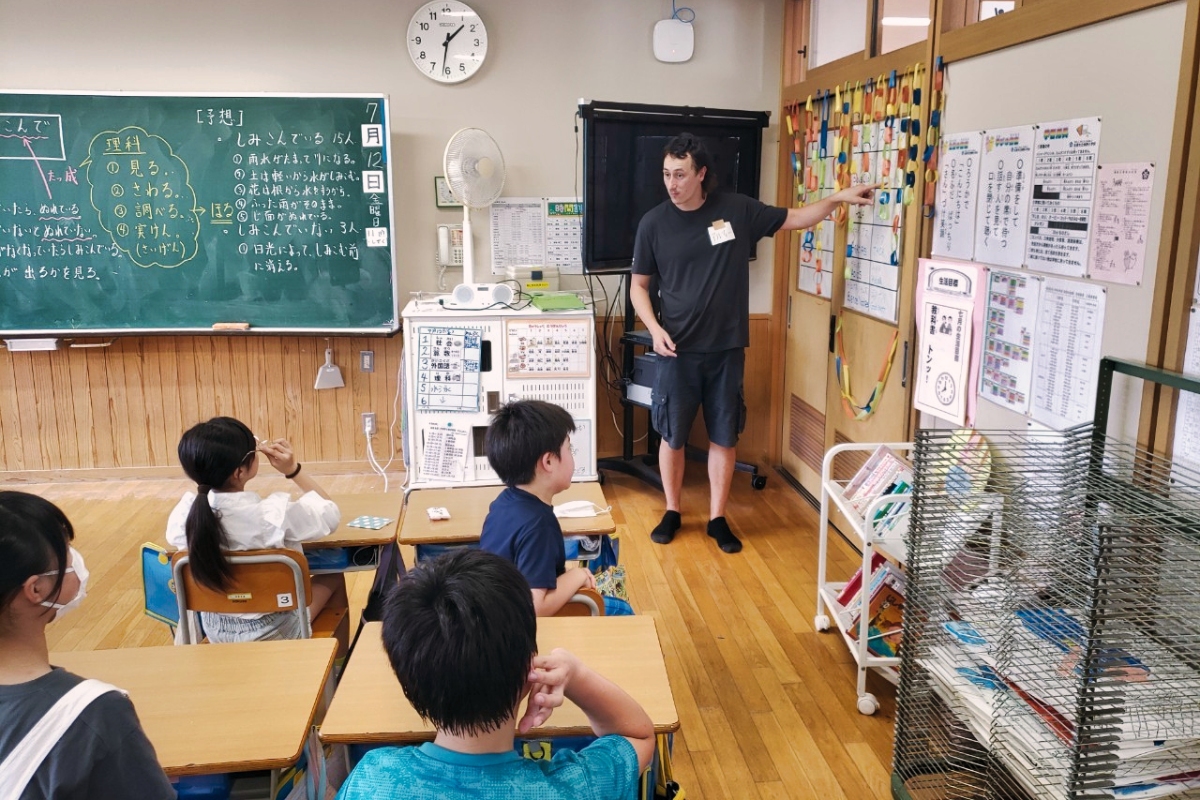 View LargeAssist the staff with teaching and engage with the children in English.
 -
 View LargeExperience authentic Japanese work culture firsthand in a local company!
 -
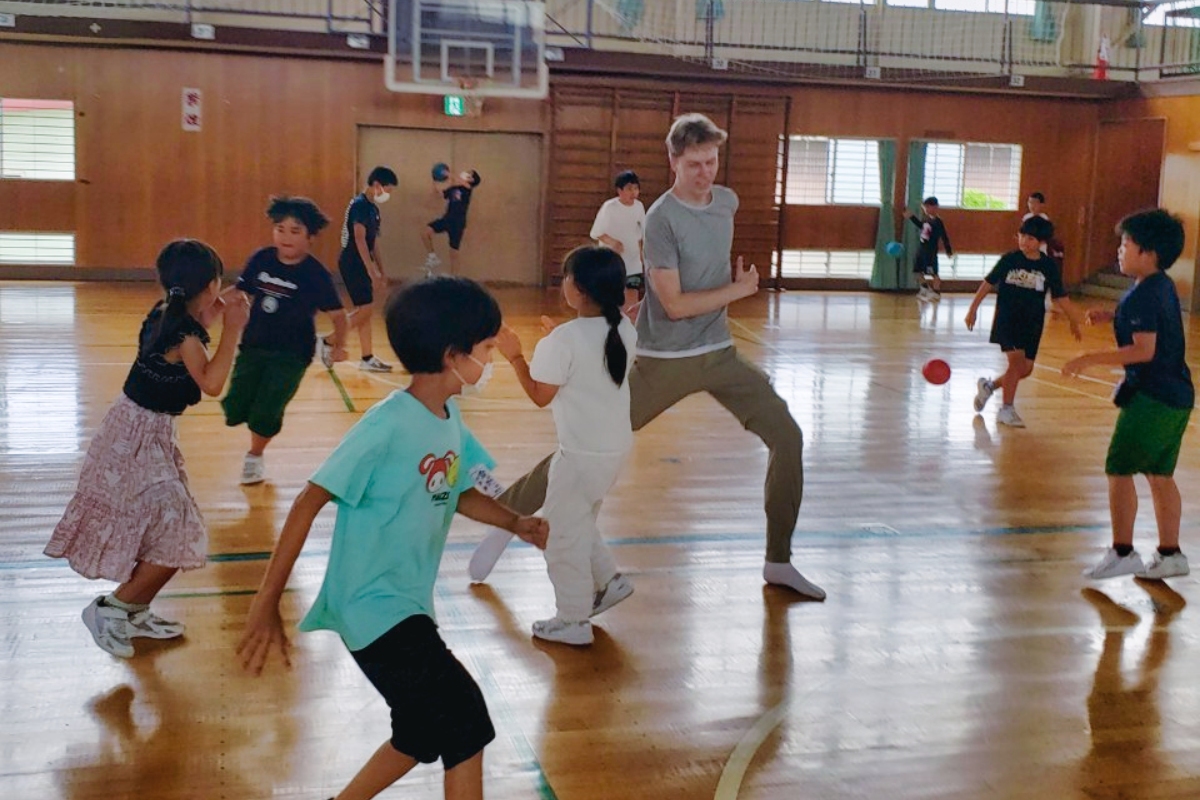 View LargeJoin children in lively and playful sports activities that promote fun and movement.
 -
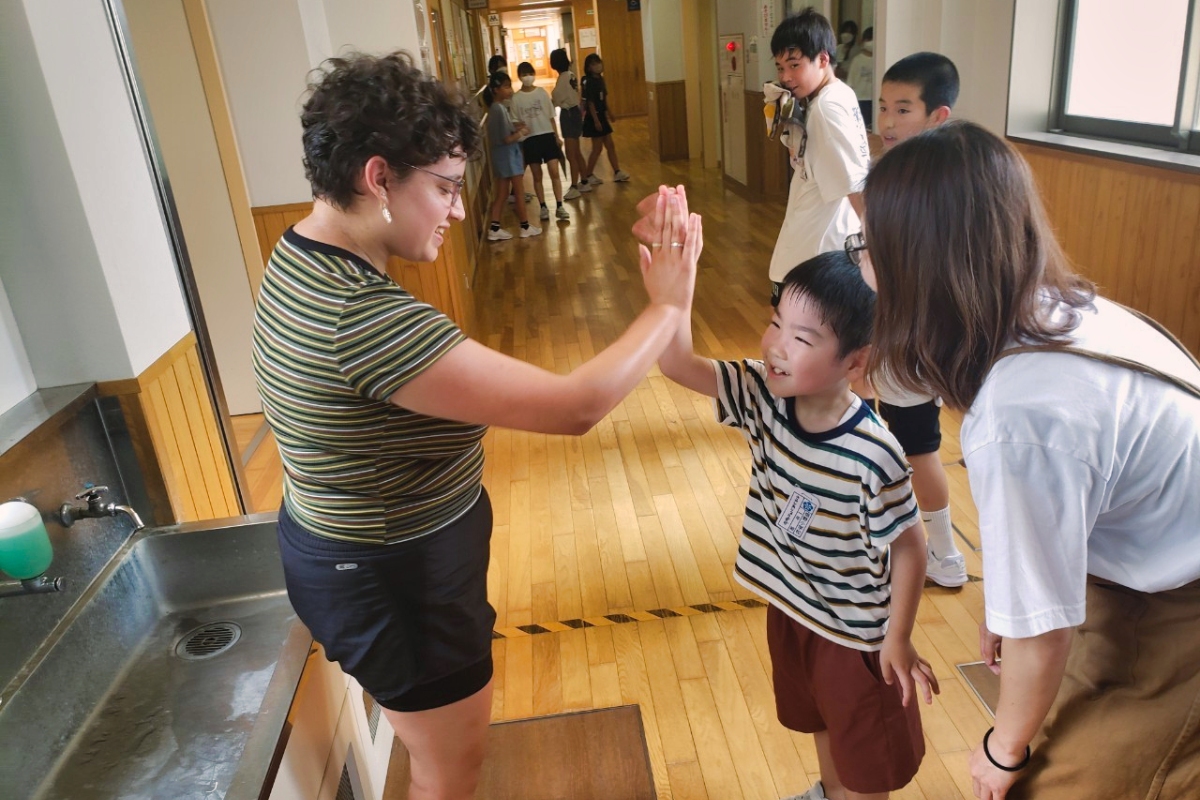 View LargeEngage children in fun and creative English lessons using playful and interactive methods.
 -
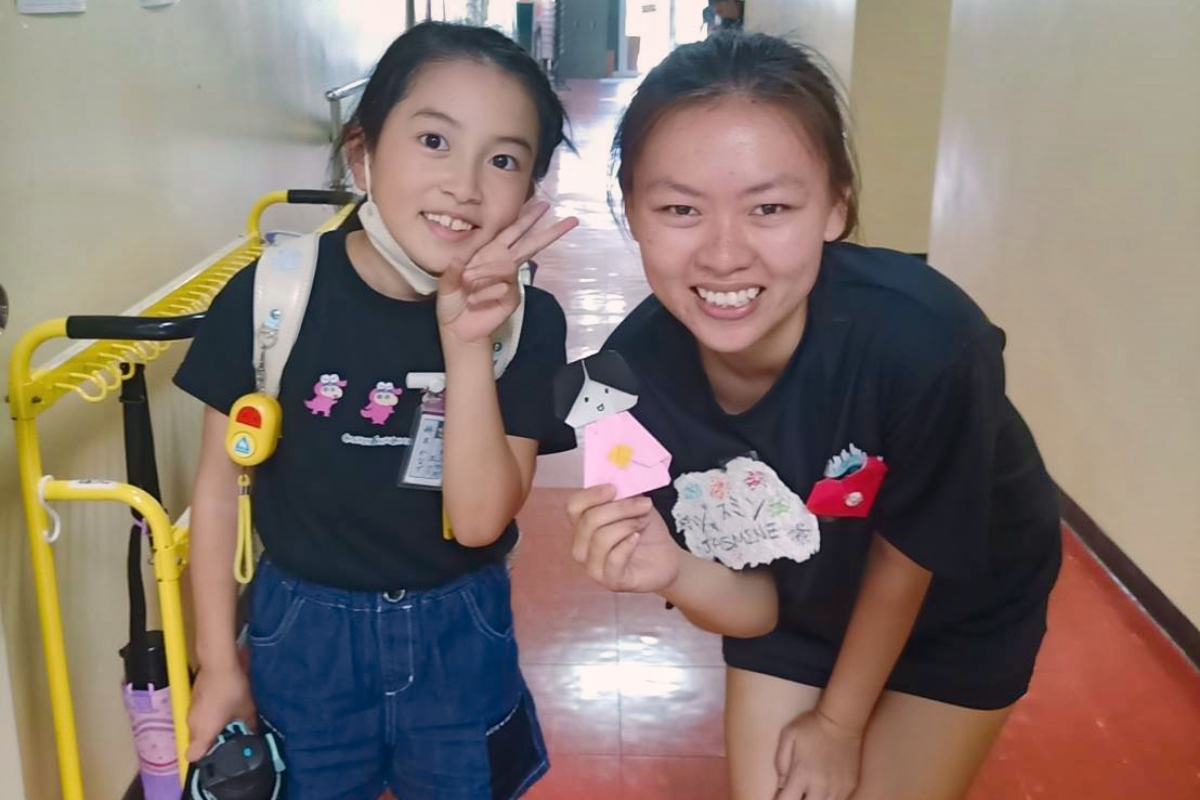 View LargeMake everyday life at the Gakudo more fun and engaging with creative teaching ideas.
In Japan, it's not uncommon to work until 9 or 10 PM daily, while schools usually end at 3:15 PM. For this reason, many parents resort to the option of placing their children in after-school care facilities, known as "Gakudos."
In Tokyo, we collaborate with several Gakudos. These are non-profit organizations, meaning the fees paid by parents only cover operating costs. Each Gakudo is visited daily by about 90 to 100 children aged 3 to 10. At the Gakudo, children do their homework, play with other children or do sports, eat snacks, and learn English. There are also regular events or excursions, to which parents are also invited.
You can complete your volunteer work or internship in one of these Gakudos. In international kindergartens and preschools, you typically look after children aged 2-6 who learn English and are often taught according to the US curriculum. This curriculum usually includes reading, writing, arithmetic, social studies, science, art, sports, music, and dance. Learning there is playful and often incorporates elements of Montessori pedagogy, with the aim of also teaching something about other cultures (mostly American).
You'll assist the staff with supervising and teaching the children, converse with the kids in English, play, do crafts, play sports, tidy up, and help with meal distribution. You typically work about 6-8 hours a day, 5 days a week, either in the mornings or afternoons.
These placements are also suitable for internships in education. Some facilities may pay you a small contribution towards living expenses if you stay for 12 weeks or longer.
L’organisation de volontariat se présente
Une belle reconnaissance de notre engagement aux côtés des communautés locales et de notre travail pour créer des expériences de voyage qui ont un impact positif.
Depuis 2007, nous nous consacrons à l'échange interculturel et à l’éducation dans le monde entier. Notre objectif est de favoriser la compréhension entre les cultures. Les expériences et les compétences interculturelles que vous pouvez acquérir en participant à notre programme augmentent l’empathie entre les peuples et favorisent une coexistence mondiale plus juste.
Nous avons nos propres équipes et divers programmes de volontariat, de stages, de vacances-travail et de langues en Tanzanie, à Zanzibar, en Afrique du Sud, au Maroc, en Israël/Palestine, en Irlande, en Allemagne, au Nicaragua, en Bolivie, en Inde, au Japon et en Corée du Sud.
Nous gérons nos propres camps de protection de l'environnement à plusieurs endroits, où nous menons des activités de protection de l'environnement et d'immersion culturelle sous la direction d'experts.
Pour chaque participant à nos programmes mondiaux, nous plantons 10 arbres indigènes sur le Kilimandjaro pour compenser les émissions de CO2 des vols. Nous gérons également des forêts de bambous à Zanzibar et au Kilimandjaro. Le bambou est un matériau polyvalent à croissance rapide qui n'est pas seulement un excellent puits de carbone, mais peut également remplacer le plastique et le bois dur dans de nombreuses applications.
En savoir plus sur nos critères de sélection pour choisir nos organisations partenaires.
Fiche technique de la mission
Maximum: 6 mois
8 semaines/2 mois : 1475 €
3 mois : 1855 €
6 mois : 2995 €

Le guide du volontariat à l’étranger
Comment choisir la bonne organisation de volontariat ?
Si vous utilisez notre formulaire de contact, nous vous offrons en plus notre guide de plus de 20 pages « Comment choisir la bonne organisation de volontariat ? » au format PDF. Il contient entre autres une check-list avec plus de 50 critères de sélection pour facilement évaluer vos options.