
Whale Research in Montenegro
Type d’activité: Ecovolontariat
Description du projet et du rôle des volontaires
-
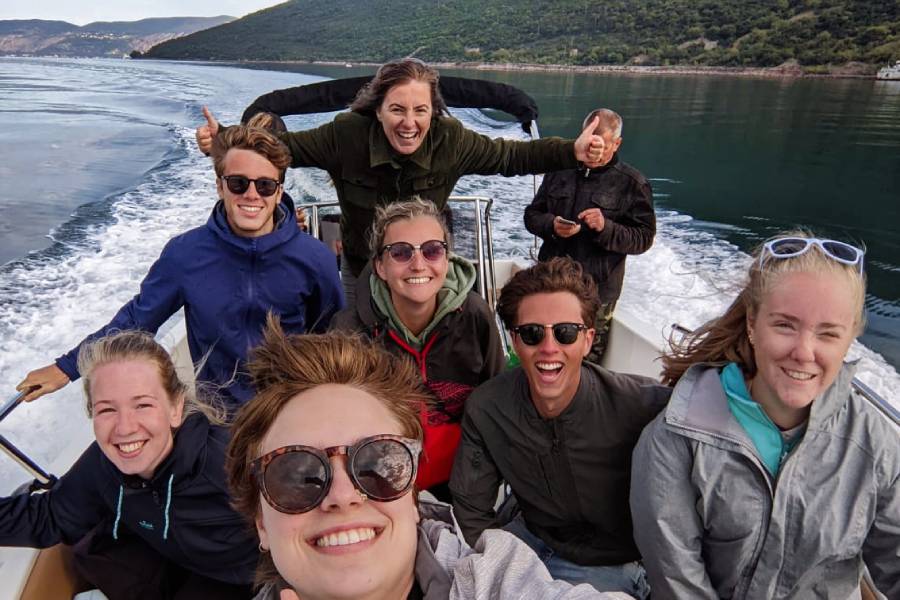 View LargeWalforschung Montenegro
 -
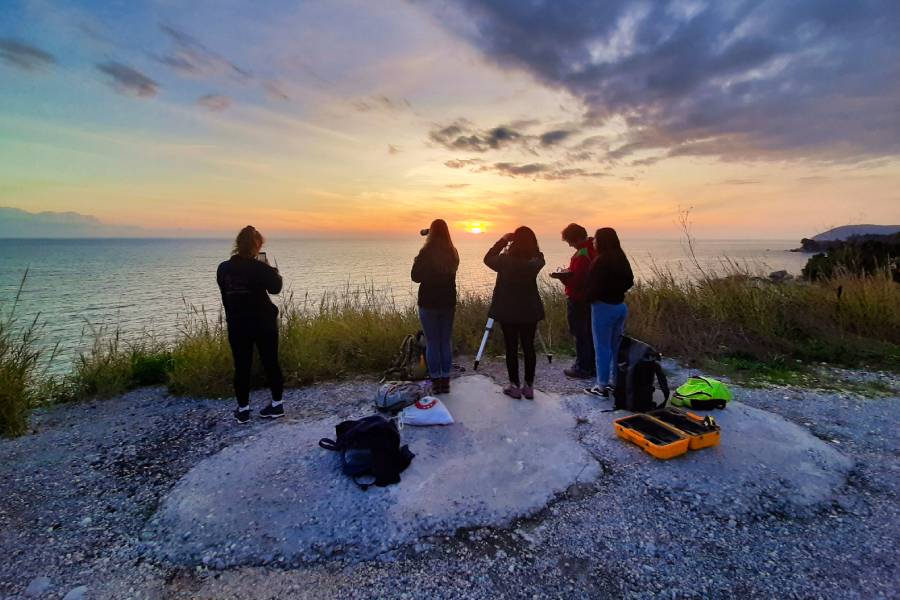 View LargeWalforschung Montenegro
 -
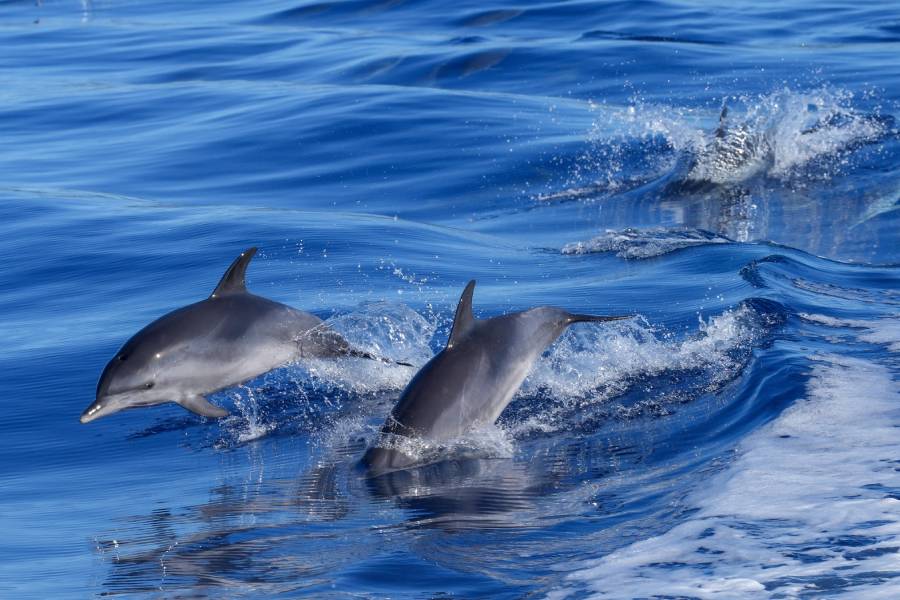 View LargeWalforschung Montenegro
 -
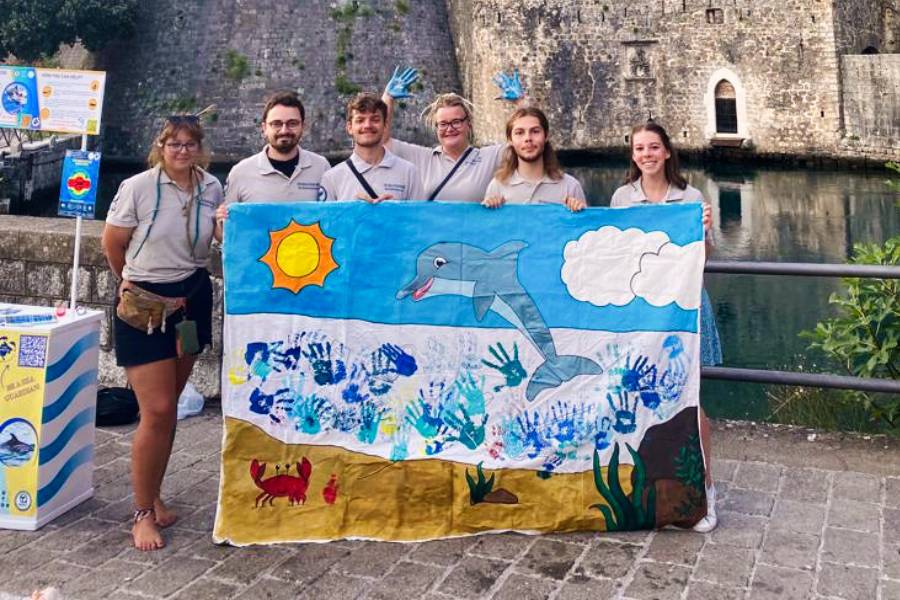 View LargeWalforschung Montenegro
 -
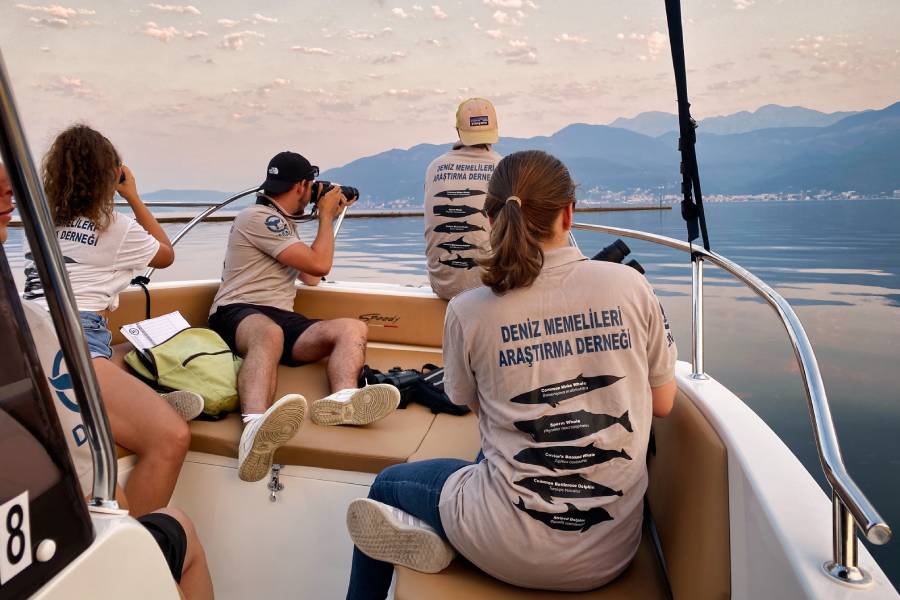 View LargeJoin a leading NGO and contribute to marine mammal research
In Montenegro, you can join a leading international NGO dedicated to marine mammal research and conservation. This program is specifically designed for high school graduates, students, and graduates in relevant fields, offering you the chance to gain theoretical knowledge and practical experience in marine biology.
The research primarily focuses on understanding the frequency, distribution, and behavior of marine mammals, especially bottlenose and striped dolphins. You'll also investigate how human activities like tourism and seismic operations impact these endangered species.
While you can join for as little as four weeks, an eight-week (or longer) stay is recommended. This extended period allows you to complete a comprehensive foundational training led by experienced marine biologists. You'll learn key methods and software commonly used in marine mammal research, including GIS mapping, theodolite operation and Pythagoras software, photo identification, population size estimations using Mark and Distance, survey planning, and statistical analyses.
After this introduction, you'll jump into various marine research tasks. This typically includes 15 land-based observations per month and at least two boat excursions monthly. You'll collect data on dolphin sightings, behavioral patterns, and human and environmental influences, applying the research techniques you've learned.
Beyond research, you'll also get involved in public awareness initiatives about marine mammal protection. You'll generally use social media for outreach, participate in underwater and beach cleanups, and might even get to manage a personal project or a thesis. Developing skills in writing reports and scientific articles is often part of the program too.
The placement is unpaid, but it offers you a unique opportunity to gain valuable experience in marine conservation and actively contribute to the preservation of marine mammals.
L’organisation de volontariat se présente
Nous avons nos propres équipes et divers programmes de volontariat, de stages, de vacances-travail et de langues en Tanzanie, à Zanzibar, en Afrique du Sud, au Maroc, en Israël/Palestine, en Irlande, en Allemagne, au Nicaragua, en Bolivie, en Inde, au Japon et en Corée du Sud.
Nous gérons nos propres camps de protection de l'environnement à plusieurs endroits, où nous menons des activités de protection de l'environnement et d'immersion culturelle sous la direction d'experts.
Pour chaque participant à nos programmes mondiaux, nous plantons 10 arbres indigènes sur le Kilimandjaro pour compenser les émissions de CO2 des vols. Nous gérons également des forêts de bambous à Zanzibar et au Kilimandjaro. Le bambou est un matériau polyvalent à croissance rapide qui n'est pas seulement un excellent puits de carbone, mais peut également remplacer le plastique et le bois dur dans de nombreuses applications.
En savoir plus sur nos critères de sélection pour choisir nos organisations partenaires.
Fiche technique de la mission
Maximum: 3 mois
4 semaines/1 mois : 1290 €

Le guide du volontariat à l’étranger
Comment choisir la bonne organisation de volontariat ?
Si vous utilisez notre formulaire de contact, nous vous offrons en plus notre guide de plus de 20 pages « Comment choisir la bonne organisation de volontariat ? » au format PDF. Il contient entre autres une check-list avec plus de 50 critères de sélection pour facilement évaluer vos options.