
Volunteer Work with the Dolphin and Whale Project in Gran Canaria
Type d’activité: Missions avec animaux et vétérinaires, Ecovolontariat
Description du projet et du rôle des volontaires
-
 View LargeDelfin- und Walprojekt
 -
 View LargeDelfin- und Walprojekt
 -
 View LargeDelfin- und Walprojekt
 -
 View LargeDelfin- und Walprojekt auf Gran Canaria
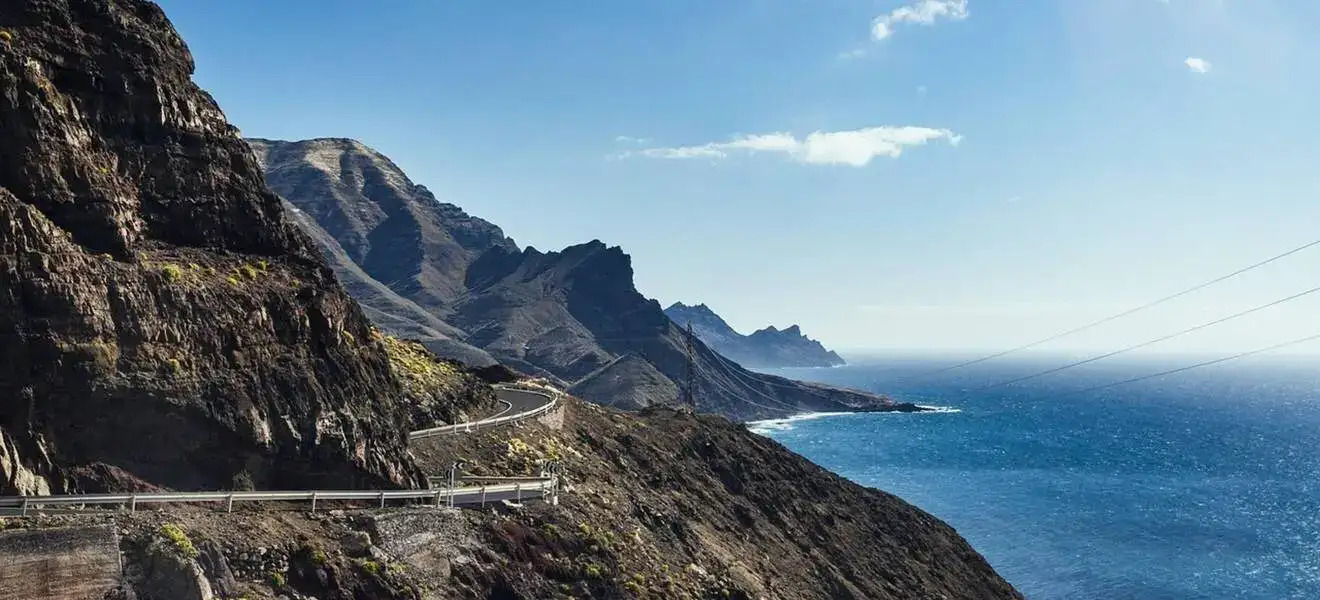
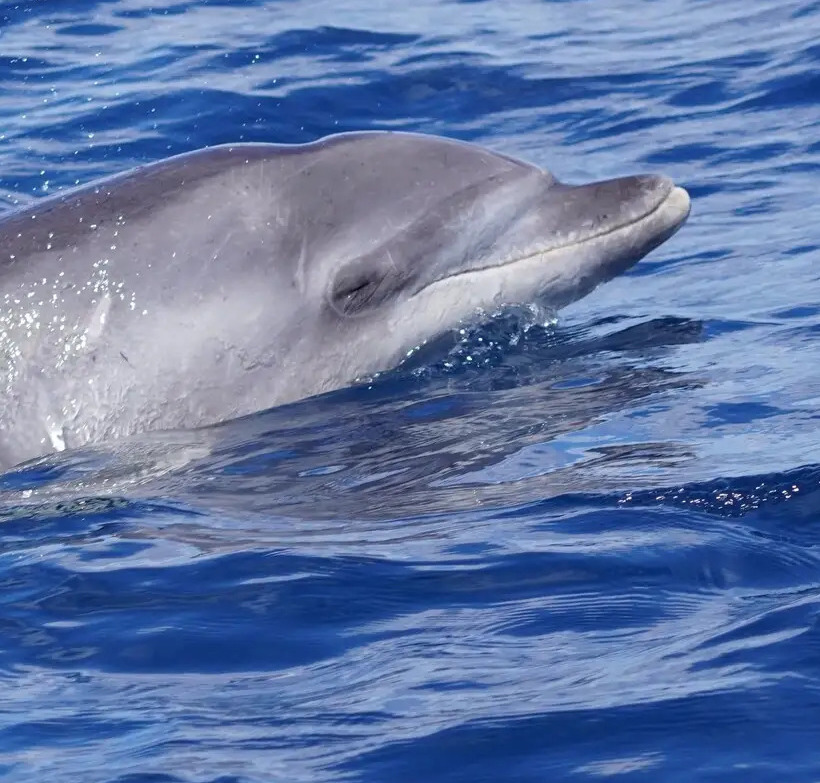
The waters off the Canary Islands are among the most biodiverse marine areas in Europe. Around Gran Canaria, you can spot dolphins, pilot whales, and, with a little luck, other whale species. At the same time, the region is heavily frequented by tourists, which is why responsible interactions with marine animals are particularly important.
The project combines research, environmental education, and practical marine conservation. Sightings are documented, behaviors recorded, and photo-identification used to better recognize individual animals or groups. As a volunteer, you’ll be part of a small team working both on the water and on land. This isn’t about direct contact with whales or dolphins, but rather respectful observation, data collection, and raising awareness for marine conservation.
Your Responsibilities in the Project
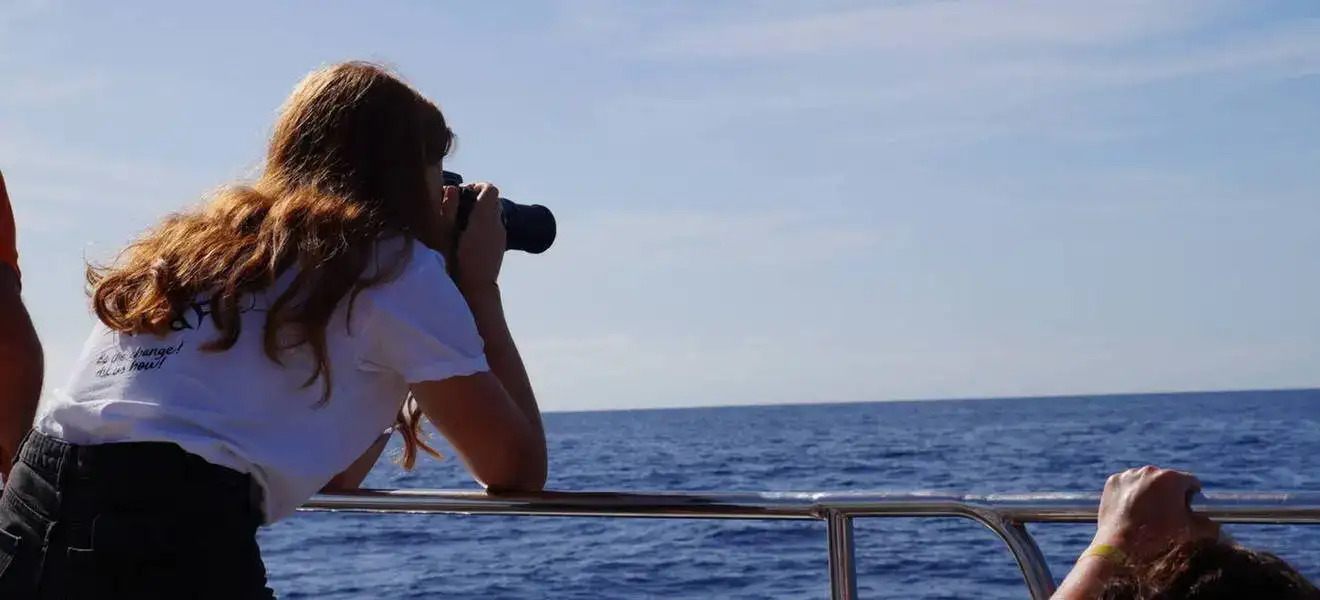
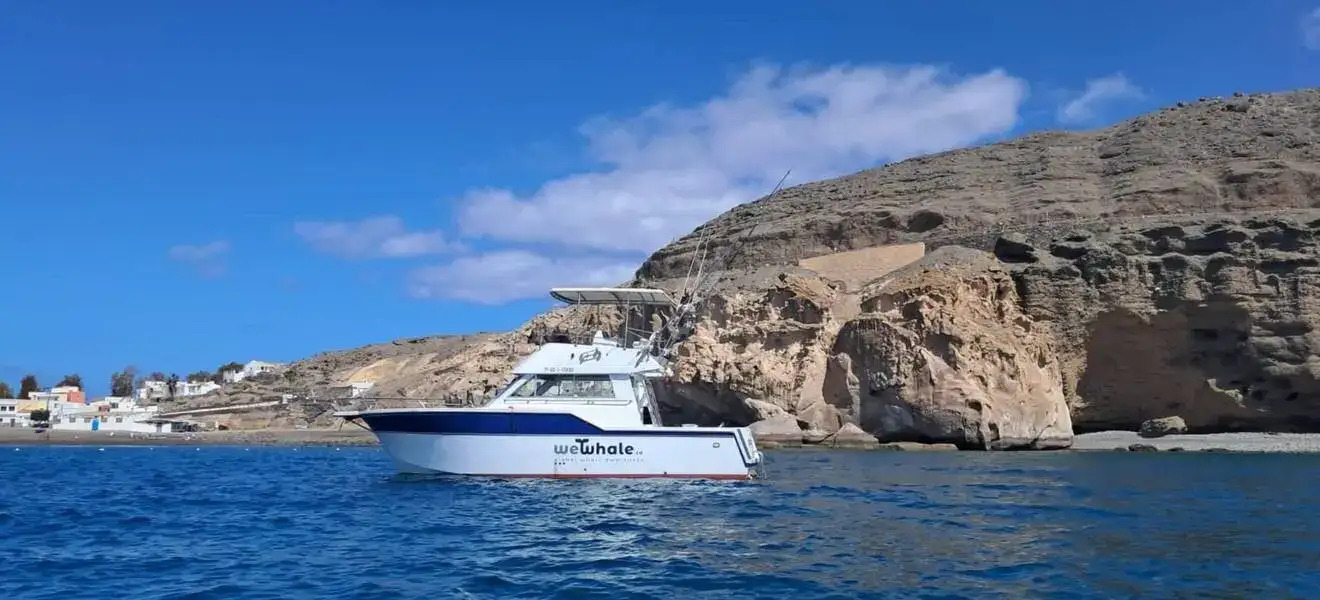
Your work will primarily take place during boat trips and in the follow-up phase. You will assist with sighting and observing whales and dolphins, document observations, and participate in photo-ID work. You will also help collect marine debris if it is discovered during the trips. Tasks on land may also be part of the role. These include, for example, preparing tours, conducting simple data analysis, assisting with social media content, or contributing to marine conservation outreach. This will give you insights into research, public relations, and the day-to-day operations of a marine conservation project.
Your daily routine on site
Your workday depends on the weather, sea conditions, shift schedule, and trip times. You’ll typically work about four to six hours a day from Tuesday to Saturday, often directly on the boat. At the start, you’ll receive an introduction to the project, the most important rules, observation techniques, and procedures.
During the first few days, you’ll learn the ropes step by step. Experience shows that it takes a little time before you can confidently handle observations, logs, and work procedures. On workdays, there are often brief debriefings where the team reviews the day and plans upcoming missions.
L’organisation de volontariat se présente
En savoir plus sur nos critères de sélection pour choisir nos organisations partenaires.
Fiche technique de la mission
Maximum: 1 an
2 semaines : 1490 €
4 semaines/1 mois : 2540 €
8 semaines/2 mois : 4640 €
3 mois : 6740 €
6 mois : 13040 €
1 an : 27740 €

Le guide du volontariat à l’étranger
Comment choisir la bonne organisation de volontariat ?
Si vous utilisez notre formulaire de contact, nous vous offrons en plus notre guide de plus de 20 pages « Comment choisir la bonne organisation de volontariat ? » au format PDF. Il contient entre autres une check-list avec plus de 50 critères de sélection pour facilement évaluer vos options.