
Résultats missions pour pays d'action : Europe, domaine : Toutes les activités
Type d’activité : Toutes les activités

Notre guide gratuit « Comment choisir la bonne organisation de volontariat ? » vous aide à trouver la mission qui vous correspond. Vous le recevez lorsque vous envoyez le formulaire de contact à la fin de chaque page projet.

The goal of this nature conservation project in East Iceland is to preserve and protect Iceland’s natural environment while raising awareness among participating volunteers about the dangers of climate change. The focus is on promoting effective countermeasures and encouraging more environmentally friendly actions to help safeguard our planet.
Type d‘activité: Ecovolontariat
Durée minimale: 2 semaines
Durée maximale: 1 an
Age minimum: 16 ans
Age maximum: pas d'âge maximum

In this project, you will care for homeless dogs, train them and help them find a new home. You don't need any special skills, just your commitment. You will be there for them, take care of them and walk them. The goal is to find a loving home for the dogs.
Type d‘activité: Missions avec animaux et vétérinaires
Durée minimale: 2 semaines
Durée maximale: 3 mois
Age minimum: 15 ans
Age maximum: pas d'âge maximum
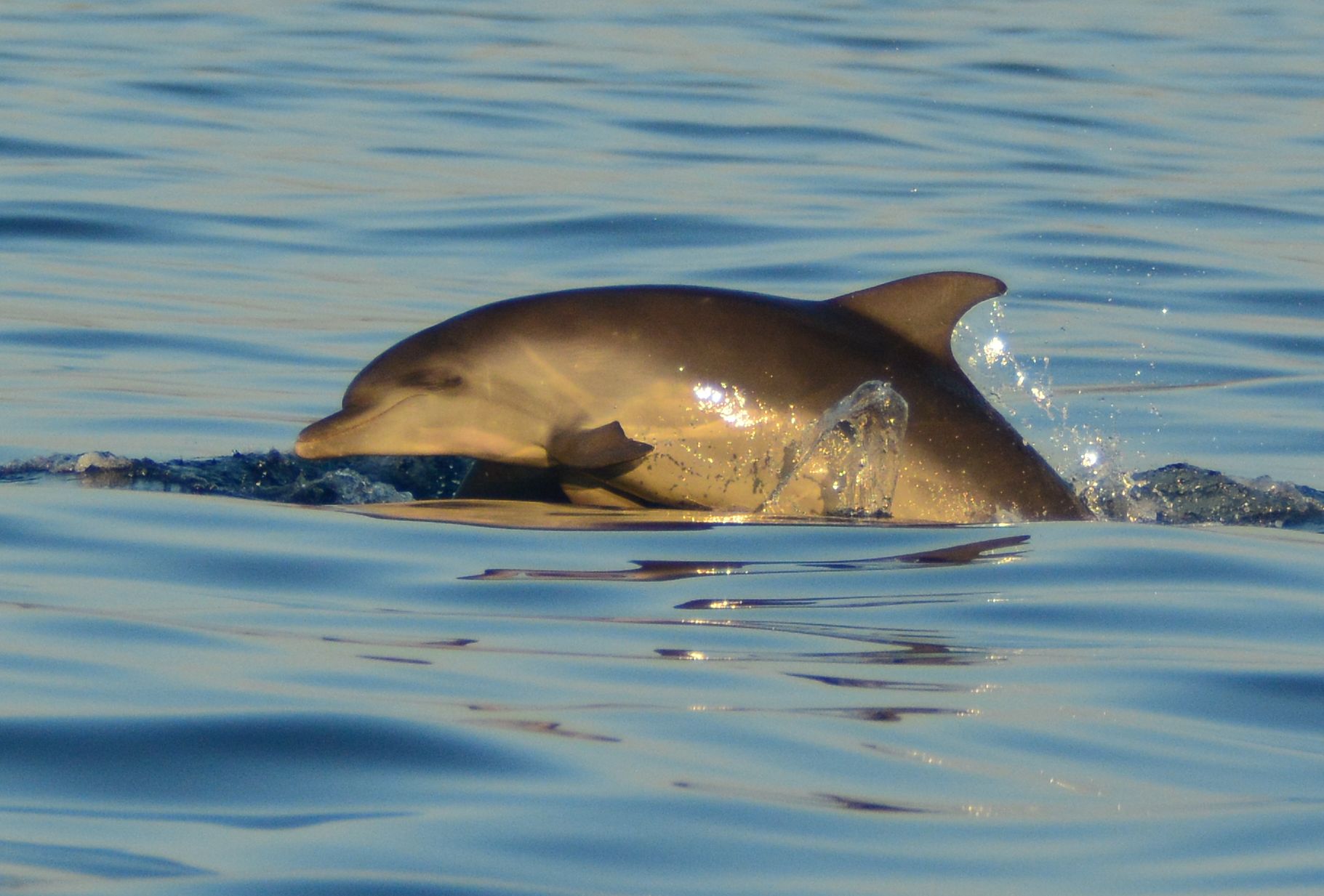
Are you passionate about dolphins and want to help protect them? This project is looking for volunteers to help protect dolphins in Istria, Croatia. For 11 days, you can work with other volunteers on land and at sea to help researchers study and conserve dolphins.
Type d‘activité: Ecovolontariat
Durée minimale: 2 semaines
Durée maximale:
Age minimum: 16 ans
Age maximum: pas d'âge maximum

Volunteer in Rome to teach English and support inclusive education through after‑school centres. Engage children, migrants, and elderly learners with creative lessons, games, and conversation. Help build confidence, bridge educational gaps, and foster social inclusion, while gaining hands‑on teaching experience in a vibrant, community‑focused environment.
Type d‘activité: Enseignement
Durée minimale: 2 semaines
Durée maximale: 8 semaines / 2 mois
Age minimum: 18 ans
Age maximum: pas d'âge maximum

The aim of this animal-loving project is to provide a home for exotic animals that have been mistreated or abandoned. The idea is to take care of the animals so that they can be released back into the wild. It is also important to educate the public about wildlife in Hungary and that exotic animals are not pets.
Type d‘activité: Missions avec animaux et vétérinaires
Durée minimale: 2 semaines
Durée maximale: 1 an
Age minimum: 16 ans
Age maximum: 40 ans
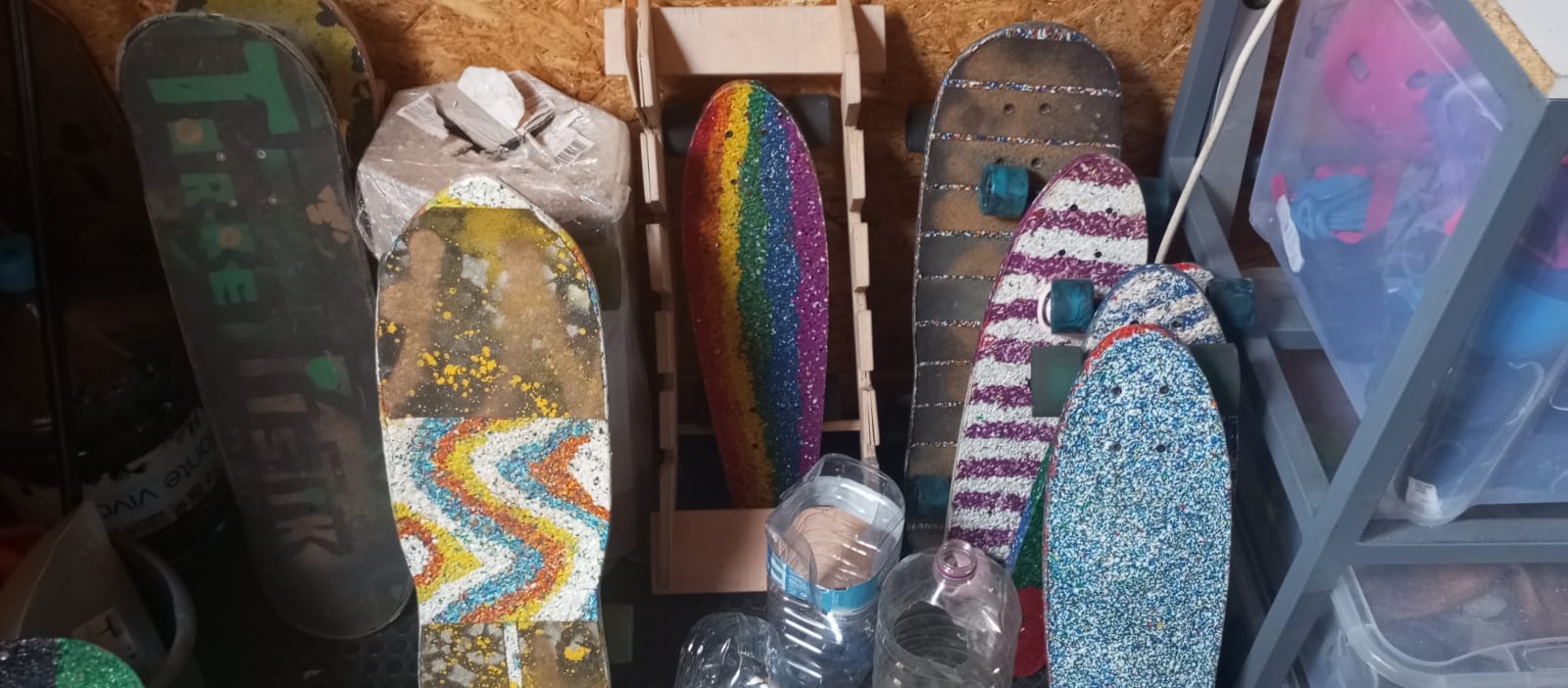
Notre projet d’upcycling vise à lutter contre la pollution plastique en transformant des plastiques durs, principalement des bouchons de bouteilles collectés auprès de restaurants et d’écoles, en articles de sport comme des skateboards, des raquettes de ping-pong et des raquettes de plage.
Type d‘activité: Ecovolontariat
Durée minimale: 2 semaines
Durée maximale: 3 mois
Age minimum: 18 ans
Age maximum: pas d'âge maximum

The goal of our field volunteer program is to contribute to sustainable development in the area of the Inner Ionian island archipelago in Greece. For this activity, volunteers monitor the bird diversity and behavior for a variety of coastal ecosystems principally in the island of Kalamos, using direct observations, sound recorders and passive acoustic monitoring devices.
Type d‘activité: Missions avec animaux et vétérinaires, Ecovolontariat
Durée minimale: 2 semaines
Durée maximale: 1 an
Age minimum: 18 ans
Age maximum: pas d'âge maximum

Wolves are in severe danger of excinction in Portugal. Their main threat is us - they have been hunted drastically and kept in zoos in awful conditions. Join a wolf sanctuary located in a National Park just outside Lisbon, where you will work with rescued wolves to give them a life as close to the wild as possible.
Type d‘activité: Missions avec animaux et vétérinaires, Ecovolontariat
Durée minimale: 2 semaines
Durée maximale: 4 semaines / 1 Mois
Age minimum: 18 ans
Age maximum: pas d'âge maximum

The goal of our field volunteer program is to contribute to sustainable development in the area of the Inner Ionian island archipelago in Greece. For this activity we monitor two things: seagrass monitoring (June to September) and Mediterannean monk seal monitoring (year round). Volunteers can participate in either activty or potentially both.
Type d‘activité: Missions avec animaux et vétérinaires, Ecovolontariat
Durée minimale: 2 semaines
Durée maximale: 1 an
Age minimum: 18 ans
Age maximum: pas d'âge maximum

Volunteer in beautiful Barcelona and help to care for and rehome rescued cats. This is a great opportunity to not only live in one of the world's most celebrated cities, but to also make a difference to vulnerable animals.
Type d‘activité: Missions avec animaux et vétérinaires
Durée minimale: 2 semaines
Durée maximale: 3 mois
Age minimum: 18 ans
Age maximum: pas d'âge maximum